
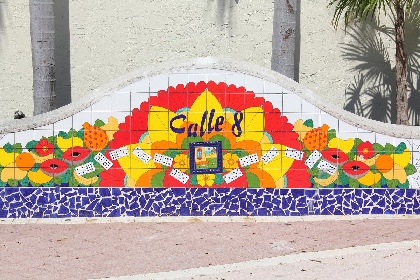
Since 1959, Cuban migration has greatly affected the city of Miami. The growth of Cuban culture in the city gave it the nickname “Cuban Miami,” and the impact of post-Cuban Revolution migration can be seen across Miami-Dade County and the entire state of Florida. As of 2024, Miami is home to over 1.2 million Cubans and people of Cuban descent, nearly half of the United States’s Cuban population.
To experience the rich Cuban history of Miami, one does not need to travel far within the city. Cuban and Latin culture can be seen at nearly every corner in the city, and an entire travel itinerary can be planned with just historic Cuban locations. If you need some pointers, here are five Cuban history sites to check out in a single weekend in Miami.
- Museum of Miami
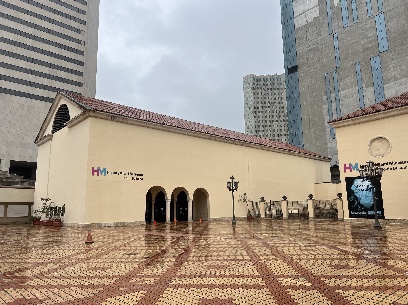
The Museum of Miami is a Smithsonian-affiliated history and culture museum, voted best in the city by multiple local publications. The collection of artifacts in the museum ranges from refugee rafts to 20th-century Cuban-Afro ritual items that tell the story of Cuban-Afro culture across South Florida.
- Ermita de la Caridad
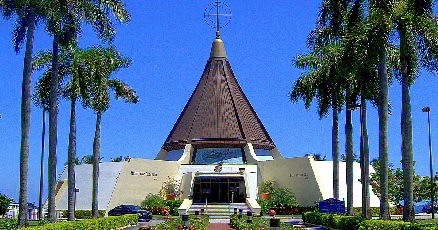
Ermita de la Caridad (eng: Our Lady of Charity) is a Roman Catholic church dedicated to the patron saint of Cuba, Our Lady of Charity of El Cobre. The chapel was built by (and for) the Cuban exile community in Miami and was dedicated by the Archbishop of Philadelphia in 1973, over a decade after 30,000 Cuban exiles gathered for Mass at Miami Stadium.
- Calle Ocho Walk of Fame
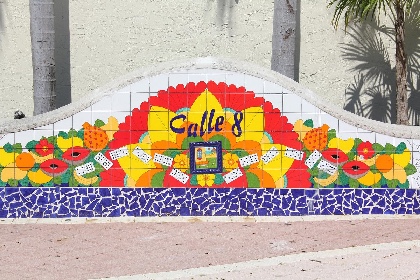
8th Street, or Calle Ocho, is the main street to run through Miami’s Little Havana. The street hosts the Calle Ocho Music Festival each year for Carnival and, since 1987, has been home to the Latin Walk of Fame and Hispanic Hollywood. The stretch was inspired after Latin musicians like Celia Cruz and Gloria Estefan received stars on the Walk of Fame in California, and has inducted over thirty Latinx artists.
- Plaza de Cubanidad
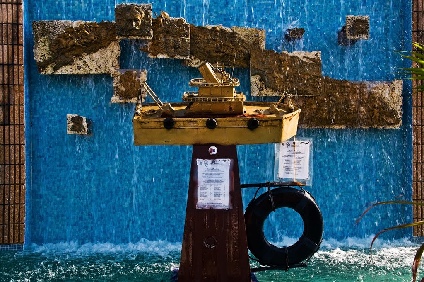
The Plaza de Cubanidad is a public park that held the offices of several Cuban exile organizations in the 1980s. These organizations commissioned the fountain for the plaza, designed to reflect the star on the Cuban flag. The plaza serves as a physical gateway to the largest Cuban population outside of the island nation, in the Little Havana neighborhood of Miami.
- Cuban Memorial Boulevard
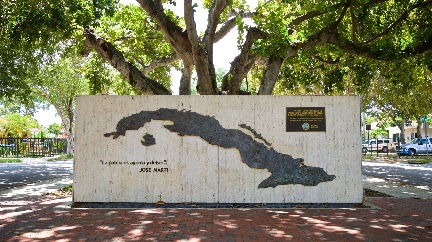
The Cuban Memorial Boulevard is a quiet homage to the original birthplace of many residents in Little Havana. The walkway stretches about four blocks and passes memorials for Cubans in Miami, Florida, and the United States. The highlight of the boulevard is the Eternal Torch, memorializing the troops who fought during the Bay of Pigs invasion in 1961.
Written by Ethan Ryan, Content Assistant at Amuse
