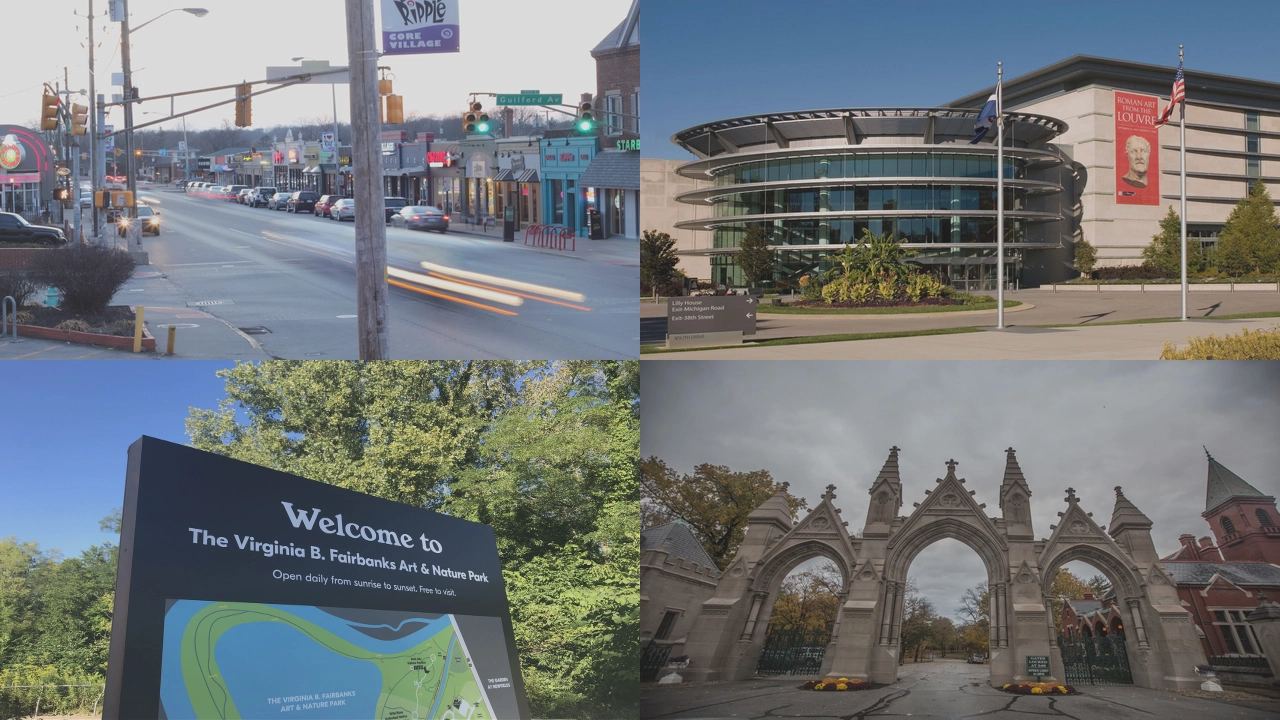
Indianapolis
Racing capital of the world 🏁
Indianapolis ( , IN -dee-ə- NAP -ə-lis ), colloquially known as Indy , is the capital and most populous city of the U.S. state of Indiana and the county seat of Marion County. Indianapolis is situated in the state's central till plain region along the west fork of the White River. The city's official slogan, "Crossroads of America", reflects its historic importance as a transportation hub and its relative proximity to other major North American markets. According to the 2020 census, the Indianapolis proper had a population of 887,642. Indianapolis is the 16th-most populous city in the United States and the fourth-most populous state capital. In the Midwest, it ranks third among cities, after Chicago and Columbus, Ohio.